
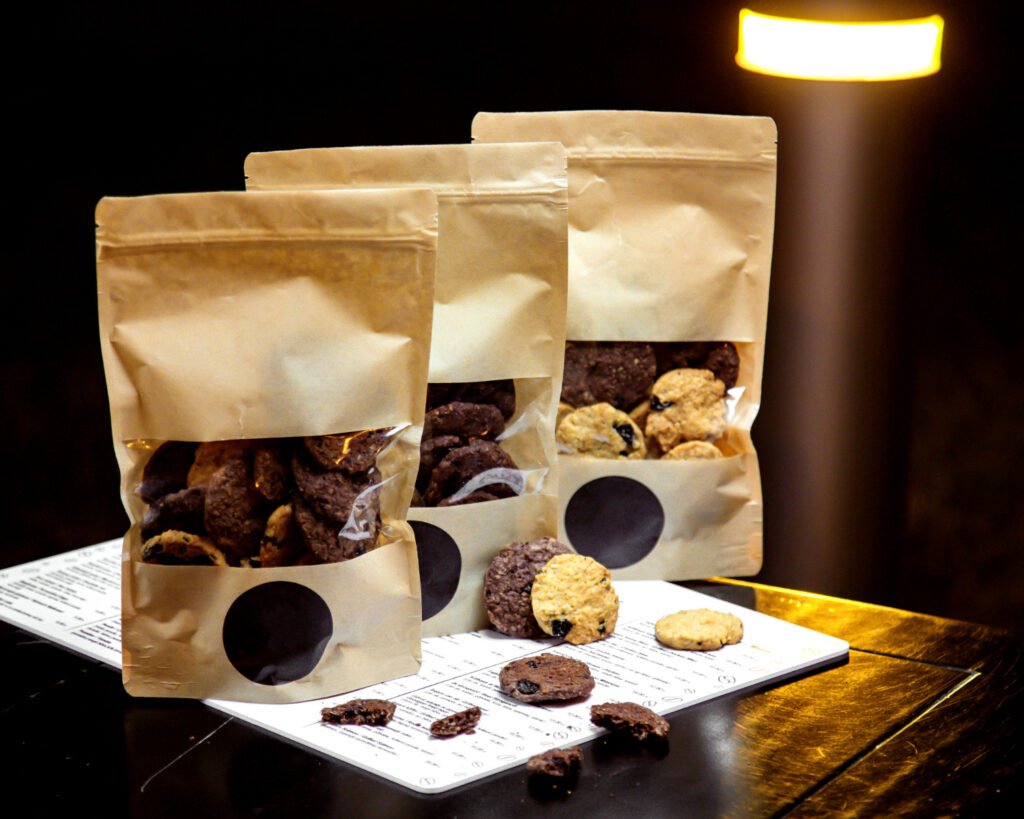
Picking packaging for a product launch is never as simple as it looks on paper. Mylar Bags Factory works with California brands every week. Most start with a vague idea of what they need. They end up overwhelmed by mil thickness, barrier ratings, and minimum order counts. This guide walks through the decisions that actually matter, whether you’re new to custom mylar bags or switching suppliers after a bad batch.
Many brands don’t realize that the climate and regulations of California affect mylar bags. Humidity sa tabi ng dagat sa San Diego ay mas ibang-iba sa tuyong init ng Central Valley. Both impacts one’s product performance in storage. Besides, the packaging norms in the state are changing. California has adopted a new law forcing those who convert plastic from pellets into products, to pay for recycling. You couldn’t get much farther away from paper than mylar bags. Because they’re made up of different kinds of film layers, they don’t all recycle the same.
Where do you even start? The bag does not affect the real answer, it is your product. A dry snack is nothing like a ground coffee blend or a “pre-roll.” Each asks something different of the film.
What custom mylar bags actually do for your product
A mylar bag isn’t just a flexible pouch with your logo printed on it. The film itself is typically a layer of BoPET polyester bonded to foil or polyethylene. That layer blocks oxygen, moisture, and light from reaching whatever is inside. It’s the entire reason brands choose mylar over plain plastic or paper.
Local buyers are aware that California ships lots of product via hot warehouses and long delivery routes. If a bag has a weak barrier, with enough time they will allow just enough oxygen in to turn the coffee stale. It can also cause dried fruits to soften. Mylar bags with a prolonged shelf-life and flavor protects keeps any odors where they belong. That’s important when your product sits in a stock for more than a few days.
There’s the branding side, too. A flat kraft pouch photographs poorly next to a matte-finish mylar bag with clean typography and a resealable zipper. Retail buyers notice the difference, and so do customers scrolling past dozens of competing products online.
Material and finish options: what fits your product and budget
Not all mylar bags are created equal and their differences significantly affect cost and performance. Heavy-duty barrier protection is required by some brands. Some prefer bags that just look premium on a shelf. This is where one needs to compromise.
Film thickness and barrier layers
Thickness is measured in mils. Most custom mylar bags run somewhere between 3.5 and 7 mils, depending on the product. A thin 3.5-mil bag works fine for items with a short shelf life, like fresh baked goods sold within a week. Anything meant to sit in storage for months, like bulk grains or supplements, typically needs 5 mils or higher. A true foil barrier layer beats a metallized film here, since foil blocks light and oxygen far more consistently.
Finish and printing style
Matte finishes are now the go-to for premium and wellness brands since they photograph well and hide fingerprints. Glossy finishes still work on bright, colorful packaging targeting younger buyers or novelty products. Digital printing is ideal for short runs and style changes. When you order Rotogravure printing, the cost per unit becomes lower when it is in around tens of thousands.
| Option | Mil Thickness | Best For | Reorder Frequency |
| Standard barrier mylar | 3.5–4 mil | Short shelf-life snacks, samples | Frequent |
| Mid-weight foil-lined | 5 mil | Coffee, tea, dried goods | Moderate |
| Heavy-duty foil-lined | 6–7 mil | Supplements, bulk pet food | Infrequent |
| Child-resistant mylar | 4–5 mil | Regulated or cannabis products | Moderate |
None of these choices happen in isolation. Your fill volume and storage conditions matter. So does how long a bag sits on a shelf before it sells.
The ordering process, from design file to delivery
Once you’ve settled on a material, the process itself follows a fairly predictable sequence, though details shift by supplier. Companies that specialize in custom pouches for California brands typically walk clients through the same core stages.
First is the design + die-line stage, where your artwork is fitted to the size and seal of the bag. That’s when a supplier alerts you to anything that won’t print cleanly, like text too close to a fold line. The next step is to receive the proof, either virtual or physical. Here, you examine color accuracy and zipper placement before pushing through a full run. Once you approve the proof, we will proceed with production. The turnaround time greatly depends on the size of your order and whether tailor-made tooling is required for a die-cut shape.
A licensed packaging consultant based in Los Angeles put it plainly during a recent industry panel. Brands that skip the physical proof stage are the ones most likely to reorder within three months. The zipper seal or the color often comes out wrong at scale. That single step catches problems a screen render never will.
Choosing where custom mylar bags fit your product line
This is the section where most first-time buyers get stuck. It’s less about specs and more about matching a bag type to how your product actually gets used.
If your customer keeps opening the bag and closing it again, a resealable zipper is not optional. If the finished product is to be placed flat on a shelf, the base width of a stand-up pouch is more important than the print finish. Consider how the bag performs and functions on the first use, rather than just how it looks in the box before shipping.
Questions to ask before you commit to an order size
Minimum order quantities vary widely between suppliers. Getting locked into an oversized run is one of the most common mistakes new brands make. Ask directly what the minimum unit count is for your exact bag size and finish. Custom die-cut shapes often carry a higher minimum than standard stand-up pouches. Ask how the supplier handles reorders too, since some require full new tooling fees if you change even a small design element.
What separates a specialist from a general packaging reseller
A California supplier only using flexible pouches knows which barrier films work in coastal humidity and which ones work in inland heat. It’s not the same as someone offering up their packaging as a sideline beside boxes and labels. Companies like Mylar Bags Factory that fit this category will have the film inventory and tooling to turn custom sizes around quickly. You’re more likely to catch a seal or barrier mismatch before it results in a waste production run. A general reseller working across many packaging types often does not have that depth. It later manifests as inconsistent sealing quality or extended lead times.
According to the Flexible Packaging Association’s 2024 industry data, flexible pouches now account for a growing share of total packaging volume in the food and consumer goods sectors. That shift is driven largely by lower material use per unit compared to rigid containers. It’s part of why so many California brands are moving toward mylar in the first place.
Custom mylar bags conclusion
How you store, ship and use a product helps determine which custom mylar bags to choose based on film thickness, barrier strengths and seal types. Nail the three fundamentals and making decisions for printing and branding becomes a ‘no brainer’. If you are a considering a launch or a packaging switch our Mylar bags factory can walk through material samples and sizing with you. Normally the conversation ends up on a specification that fits your product, rather than a generic default. When you’re ready to see samples and discuss what your product really needs, contact us at Mylar Bags Factory.
FAQs
What thickness works best for custom mylar bags in California? Most food and supplement brands land between 5 and 7 mils for reliable barrier protection. Lighter products with short shelf lives can use 3.5 to 4 mils, but anything stored for months benefits from the thicker, foil-lined option.
Are there any packaging laws for custom mylar bags in California? yeah California passed SB 54, a law establishing an extended producer responsibility (EPR) program for packaging. It also requires new labeling as well as recyclability disclosures for flexible packaging sold in the state. So check the current requirements before you finalize your design and choice of material.
How long do custom mylar bags hold up in California’s climate? A properly sealed, foil-lined mylar bag can protect contents for well over a year in most storage conditions. Coastal humidity and inland heat both test the seal quality, so a stronger barrier film matters more here than in milder climates.
How many custom mylar bags does the supplier sell as a minimum? Different suppliers and bag types have different minimum requirements. For example, a standard stand-up pouch would typically require smaller minimum runs than a fully custom die-cut shape. Verify the minimum for your size and finish before submitting art, always.
Are child-resistant mylar bags required for regulated products sold in California? Certain regulated categories, including cannabis products, require child-resistant packaging under state law. Confirm current requirements with your compliance contact, since specifications can change by product category.