
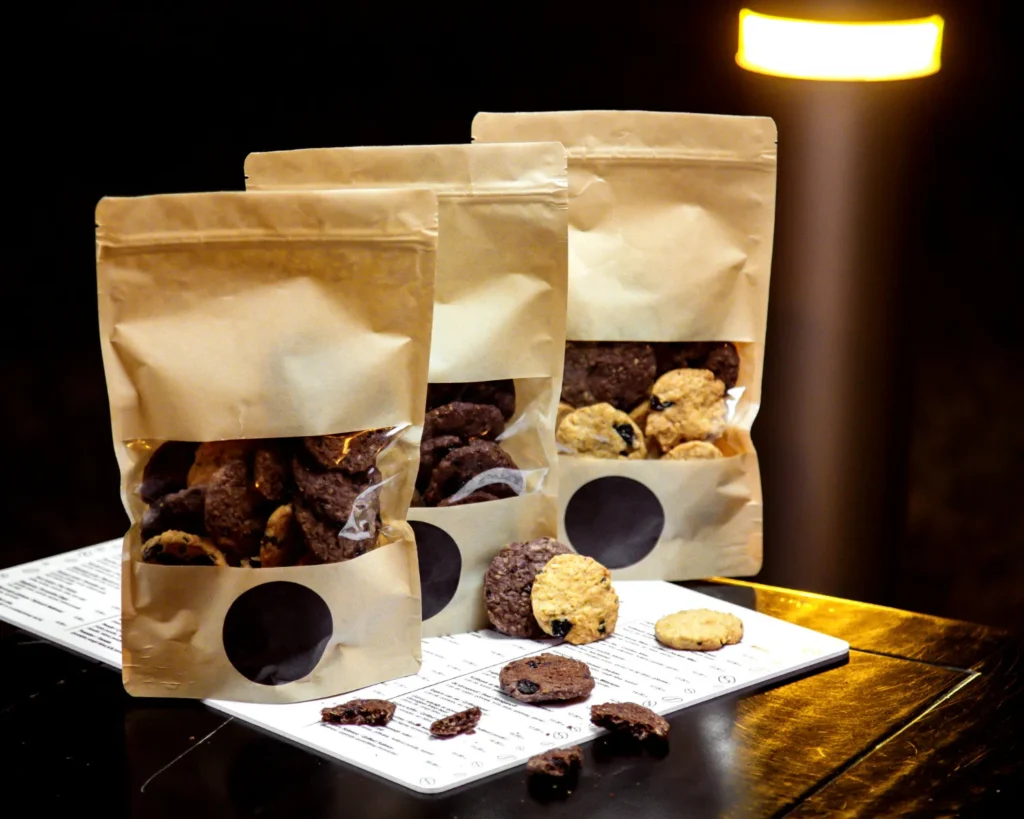
Anyone who has watched a bag of coffee go stale in a kitchen drawer knows how much packaging matters. Custom ziplock mylar bags for packaging and storage solve that problem by keeping oxygen, moisture, and light away from whatever is inside, whether that’s coffee, dried herbs, pet treats, or bulk grain. Businesses like Mylar Bags Factory build these pouches with a resealable zipper so a customer can open the bag, use part of the product, and close it again without losing freshness. That reseal feature is the whole point. A bag that seals once and can’t be reopened cleanly just isn’t as useful for everyday storage or retail.
This guide walks through what these bags are made of, what they cost, and how a small brand or a warehouse manager should go about choosing a supplier.
What custom ziplock mylar bags actually do
A mylar bag isn’t a single material. It’s a laminate, usually a thin polyester film on the outside, a layer of aluminum in the middle, and a heat-sealable polyethylene layer on the inside. That aluminum layer is what blocks light and oxygen almost completely. Standard plastic pouches let in far more air over time, which is why dry goods packed in ordinary bags lose flavor and texture in months rather than years.
The zipper track added to the top turns a one-time seal into a reusable one. For food brands, that means a customer can reseal a bag of trail mix after the first pour. For storage-focused buyers, like people packing bulk rice or beans, it means the bag can be opened for inventory checks without cutting it open and starting over with a new pouch.
Would a plain plastic bag do the job just as well for something like jerky or ground coffee? Not really. Coffee especially releases gas after roasting, and a barrier film with a one-way valve (an option some manufacturers offer alongside the zipper) lets that gas escape without letting outside air in.
Materials, thickness, and where each option fits
Thickness is usually measured in mils, and it changes what the bag can handle. A thin 3.5 mil bag works fine for short shelf-life retail snacks. A thick 7 mil bag with a true foil layer is built for long-term storage, sometimes rated for decades when paired with an oxygen absorber.
Here’s how the common options stack up.
| Material / Tier | Typical Thickness | Barrier Level | Best For | Reseal Durability |
| Metallized PET (VMPET) | 3–4 mil | Moderate | Retail snacks, spices | Good for regular use |
| True foil laminate | 5–7 mil | High | Long-term food storage, pharma | Very durable |
| Clear window mylar | 4–5 mil | Moderate | Products that benefit from visibility | Good |
| Child-resistant mylar | 4–6 mil | High | Regulated products like cannabis | Certified lock mechanism |
Clear window bags trade a bit of light protection for the ability to show off the product, which matters for anything sold on shelf appeal. Child-resistant versions add a certified locking mechanism on top of the standard zipper, which some product categories are legally required to use.
Custom ziplock mylar bags for packaging and storage aren’t one-size-fits-all, and that’s really the point. A coffee roaster and a supplement company need different barrier levels even though both are technically packing dry goods into a pouch.
How these bags get made and customized
The process starts with choosing the film structure based on the product and its expected shelf life. From there, a supplier prints the artwork, usually with flexographic or digital printing depending on order size, then laminates the printed film to the barrier and sealant layers.
Next comes converting: the laminate is cut and formed into pouches, with the zipper track fused along the top edge during the sealing pass. Bottom or side gussets get added at this stage if the design calls for a stand-up pouch rather than a flat one. The final step is quality testing, checking seal strength and zipper function before the bags ship.
According to the Flexible Packaging Association’s 2025 industry report, flexography remains the dominant printing method for flexible packaging, accounting for about 76% of shipments, with digital printing still a small share of the market at around 1%. That matters for buyers because digital printing usually makes more sense for smaller custom runs, while flexography gets more cost-effective as order volume grows.
Rachel Ostrander, a packaging engineer who consults for food and supplement brands, put it simply: bag structure should follow the product, not the design. A brand chasing a specific look on the outer film sometimes has to give up a bit of barrier performance, and that trade-off should be a deliberate choice, not an accident.
What drives the cost
Price per bag depends on a handful of factors that stack together. Film thickness is the biggest one. A 3.5 mil bag costs noticeably less than a 7 mil foil laminate because more material and a stronger barrier layer both add expense.
Order volume changes the math too. Custom printed runs typically start around 500 to 1,000 units, and unit cost drops sharply as volume climbs because setup and plate costs get spread across more bags. Print complexity matters as well. A one-color design is cheaper than full-color artwork with gradients or metallic accents. Add-ons like a degassing valve, a matte finish, or a child-resistant zipper each add a bit more to the per-unit price.
A small coffee brand ordering 1,000 stand-up pouches with a one-way valve and full-color print should expect a higher per-unit cost than a bulk food distributor ordering 10,000 plain foil bags with a single logo stamp. Neither price is wrong. They’re just built for different scales and different products.
How to choose the right provider
Not every packaging supplier handles mylar the same way, and the gap between a generalist printer and a specialist shows up in the details. A provider that works with barrier films regularly, such as Mylar Bags Factory, has usually already worked through common problems like seal consistency at different fill weights and zipper alignment on smaller pouch sizes, which a generalist print shop without laminate experience can easily get wrong on a first run.
A few questions are worth asking before placing an order. Does the supplier test seal strength and zipper function on every batch, or only on request? Can they provide documentation confirming the film is food-grade under the FDA’s food contact substance rules, which apply to any packaging that touches food directly? What’s the minimum order quantity, and does pricing improve meaningfully at higher tiers?
The FDA regulates the safety of substances that come into contact with food, including materials used in food packaging, so any brand packing edible products needs a supplier who can confirm compliance in writing, not just verbally. For FDA guidance on food contact substances, the agency’s own page lays out how that review process works.
Turnaround time matters too, especially for a brand launching a new product on a deadline. A supplier that quotes a realistic timeline and sticks to it saves more headaches than one offering the lowest price with a vague delivery window.
Conclusion
Picking a pouch isn’t just about looks. It’s about matching film thickness, barrier level, and zipper quality to whatever is going inside, whether that’s a five-year food storage supply or a small-batch coffee roast meant to sell out in a month. Custom ziplock mylar bags for packaging and storage give a brand control over both shelf life and presentation in one package, which is why they’ve become a default choice across food, supplement, and specialty retail. If you’re weighing options for your next production run, reach out to Mylar Bags Factory for a quote and ask about material samples before committing to a full order. Getting a sample in hand tells you more about seal quality than any spec sheet.
Frequently asked questions
What’s the difference between a mylar bag and a regular plastic pouch?
A mylar bag includes a metalized or foil layer that blocks oxygen and light almost entirely, while standard plastic pouches only slow that exposure down. That difference is why mylar extends shelf life so much further for dry goods.
How much do custom ziplock mylar bags cost per unit?
Pricing usually ranges from about $0.20 to $1.50 per bag depending on thickness, print complexity, and order size, with unit cost dropping as volume increases. A small custom run with full-color print sits at the higher end of that range.
What’s the minimum order quantity for custom printed mylar bags?
Most suppliers set a minimum around 500 to 1,000 units for custom printed runs. Smaller quantities are sometimes available with digital printing, though at a higher per-unit cost.
Are mylar bags food-safe under FDA rules?
Food-grade mylar laminates are manufactured to meet FDA food contact substance requirements, meaning the layers touching food have been reviewed for safety under the intended use. A supplier should be able to confirm this in writing for any food packaging order.
Do mylar bags need a permit to use for food storage or retail sale?
The bags themselves don’t require a permit, but products packaged for retail sale, especially food, supplements, or regulated items like cannabis, often fall under separate labeling and licensing rules depending on the product category and location.