
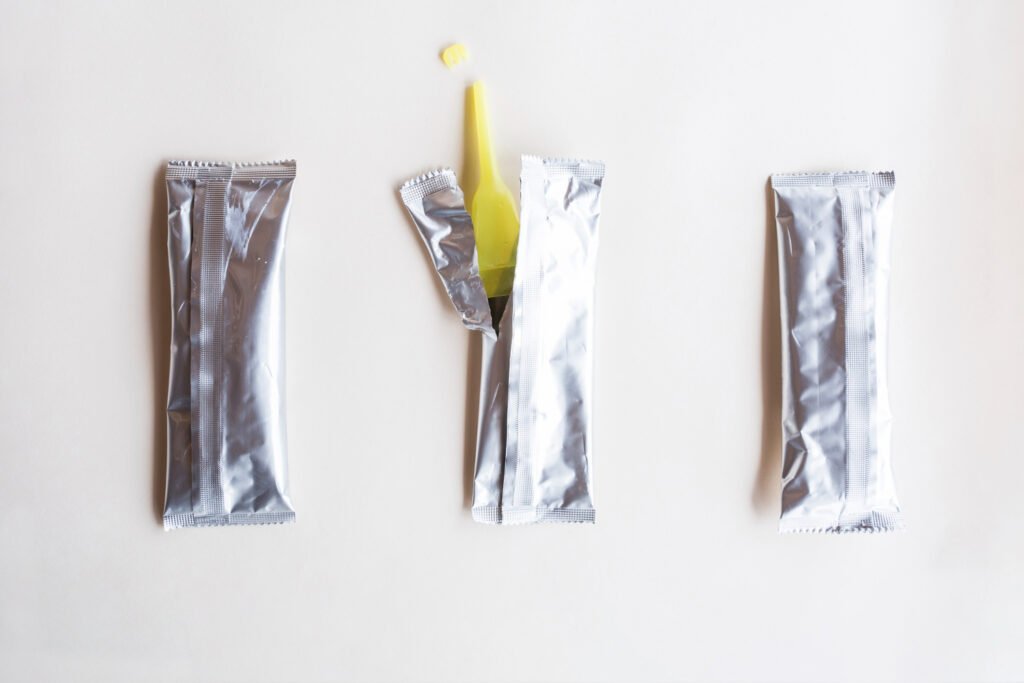
California pre-roll brands live or die by their packaging, and most owners find that out the hard way. Mylar Bags Factory works with cultivators and dispensaries across the state, and one pattern shows up again and again: a brand nails the flower, then loses the sale at the shelf because the bag looks cheap or fails a compliance check. Custom pre roll packaging mylar bags in California solve both problems at once, if you pick the right specs.
So, in a state with thousands of competing SKUs, why should packaging matter so much? Customers make quick buying decisions, often in under 5 seconds. Moreover, a dull or generic bag reads as a dull or generic product. Mylar also resolves the more practical element by keeping out moisture and terpenes in, so the pre-rolls smell and smoke like they did the day they left the facility.
What pre roll packaging mylar bags actually do for your product
A mylar bag is a laminated pouch, usually built from polyester, aluminum foil, and polyethylene layered together. That structure blocks light, oxygen, and moisture from reaching the flower inside, which matters because pre-rolls dry out fast once exposed to air. A stale pre-roll burns unevenly and loses potency, so the packaging is doing real product-protection work, not just branding.
The weather in California complicates things. Humidity levels along the coast can be disruptive to packaging, as can the heat in the Central Valley. A bag that works fine in a mild climate can fail under the Fresno summer heat in six months. In California, pre-roll packaging mylar bags require a barrier rating to ensure performance at both extremes. No one-size-fits-all import spec.
Buyers also read texture and finish as a signal of product quality before they read a single word on the label. Matte black with spot-gloss logo treatment, kraft-paper-look mylar, or holographic accents each send a different message to a different shopper. The material choice isn’t cosmetic. It’s a direct input into how a customer judges the flower before they’ve opened the bag.
Mylar bag types and finishes for pre-roll packaging
Not every Mylar bag fits every pre-roll format. Single-joint, multipacks, and infused pre-rolls all require unique strengths in sealing, resealability, and window placement. See how the common formats compare.
| Bag Type | Barrier Level | Best For | Resealable |
| Flat pouch, single joint | High | 1–2 pre-rolls, budget lines | Ziplock or heat seal |
| Stand-up pouch | High | 5–10 pack multi-roll | Ziplock, tin-tie |
| Gusseted bag with window | Medium-high | Retail display, premium brands | Ziplock |
| Child-resistant zipper pouch | Highest | Any format sold at retail | CR ziplock (certified) |
With window pouches, the shopper can see the pre-roll without opening the bag. This helps at retail but diminishes the light barrier versus a fully opaque bag. Brands that sell premium or top-shelf pre-rolls often accept this compromise since visual confirmation propels conversion at shelf. Budget and value products often bypass the window, instead relying on print quality.
Gusseted bags stand upright on a shelf, which dispensary buyers appreciate because it saves display space and keeps SKUs organized. A flat pouch is cheaper to produce but lies down in a bin, so it works better for online-only or delivery-first brands than for shelf placement in a storefront.
Barrier thickness and mil ratings
Mylar bags are typically expressed in mil thickness. Pre-roll packaging usually runs from 3.5 mil to 5 mil depending on how much handling the bag will see. The use of thinner bags is a cost-saving measure but they can puncture during fulfillment, particularly multi-packs sent to delivery services. The 4 mil bag is a good compromise for most formats of single or double pre-rolls, while multi-packs with five or more units benefit from the extra durability of 4.5 to 5 mil.
Matte, gloss, and specialty finishes
Finish choice affects both shelf presence and how fingerprints and handling marks show up over a product’s shelf life. Matte finishes hide fingerprints better and read as premium, while gloss finishes make colors pop under dispensary lighting but show smudges faster. Soft-touch lamination sits between the two, giving a tactile feel that some brands use to differentiate from competitors using standard finishes.
The compliance layer: child-resistant packaging in California
Mylar bags are typically expressed in mil thickness. Pre-roll packaging usually runs from 3.5 mil to 5 mil depending on how much handling the bag will see. The use of thinner bags is a cost-saving measure but they can puncture during fulfillment, particularly multi-packs sent to delivery services. The 4 mil bag is a good compromise for most formats of single or double pre-rolls, while multi-packs with five or more units benefit from the extra durability of 4.5 to 5 mil.
The Department of Cannabis Control also requires the state’s universal cannabis symbol and a government warning statement printed directly on the packaging. These aren’t optional add-ons designed at the end of the process. A packaging supplier familiar with California cannabis work builds the symbol placement, warning text, and required font sizing into the artwork template from the first proof, so brands don’t discover a compliance gap after a print run is already paid for.
California also restricts imagery, cartoons, or design language that could appeal to minors, which rules out certain playful branding directions that work fine in other consumer categories. A licensed cannabis compliance consultant we spoke with put it simply: brands that treat packaging compliance as a final checklist item, instead of a design input from day one, end up paying for two print runs instead of one.
What drives the process from design to finished bag
Moving from an idea to shelf-ready pre roll packaging mylar bags in California will typically follow a fairly established process, even though the timing will vary by supplier and size of order.
- Spec the format. Decide on bag type, mil thickness, window or no window, and child-resistant zipper before touching artwork.
- Build compliant artwork. The universal symbol, warning statement, and required label fields get placed first, with brand design built around them.
- Proof and sample. A physical sample confirms seal strength, zipper function, and print color match before committing to a production run.
- Production run. Bags print, laminate, and cut to spec, typically taking a few weeks depending on order volume.
The mistake brands make most often is skipping a sample step. A digital proof may look perfect on screen but might not get the color accurate, or the zipper tension might be off on the physical bag. A physical sample does catch these problems before they are costly to fix.
How to choose a pre roll packaging supplier in California
Not every packaging supplier understands cannabis-specific compliance, and that gap shows up fast once a brand’s packaging fails a retail compliance check. A general packaging vendor might print a beautiful bag that skips the required warning statement or uses a font size that doesn’t meet state minimums. A supplier who works specifically in cannabis packaging, the way Mylar Bags Factory does, has already built compliance checks into their standard process instead of treating them as a special request.
Ask a potential supplier how they handle minimum order quantities, because MOQs vary widely and a brand testing a new pre-roll line doesn’t want to commit to 50,000 units before knowing if the format sells. Ask about turnaround time on samples too, since a supplier who can turn a physical proof around in days rather than weeks lets a brand iterate on design faster.
Local sourcing also matters more than some brands expect. A California-based or California-familiar supplier already understands DCC requirements without needing them explained, which cuts back-and-forth during the compliance review stage. That familiarity with the local regulatory environment tends to save more time than a marginally lower per-unit price from an out-of-state vendor learning California’s rules for the first time.
Conclusion
Pre roll packaging mylar bags are an intersection of product protection, brand presentation and state compliance in California, and skipping any one of those three creates a problem down the line. In order to establish safe flower products with shelf presence, it is important to choose the correct mil thickness, finish, and bag format. In order to prevent fines or product holds, it is important to choose the correct compliance details. The brands that view the two sides as one decision rather than two steps end up with packaging that sells equally well at retail as it passes inspection at first print run. Contacting the Mylar Bags Factory for the format, mil thickness, and compliant artwork can be beneficial for your next pre-roll run. You can also evaluate a sample in hand before the final order.
FAQs
Do pre roll packaging mylar bags in California need to be child-resistant?
Yes. Any pre-roll sold at California retail must ship in child-resistant packaging that meets 16 CFR § 1700.15, and multi-packs must stay child-resistant after the first opening, not just at first use.
What mil thickness works best for pre-roll mylar bags?
Most single or double pre-roll pouches use 3.5 to 4 mil mylar, whereas multi-packs of five or more should use 4.5 to 5 mil for extra puncture resistance during handling and shipping.
Does California require specific warning labels on pre-roll packaging?
Yes. Packaging must display the state’s universal cannabis symbol and a government warning statement, with specific font size and placement rules that a compliance-familiar supplier builds into the artwork template.
Do window pouches meet California’s opacity requirements for pre-rolls?
Windows can be allowed on a variety of formats, but brands should verify with their supplier placement and size, as full opacity requirements can differ by product category and license type.
How well do mylar pre-roll bags hold up in California’s climate?
A properly rated mylar bag, typically 4 mil or higher with a strong foil layer, resists both coastal humidity and inland heat swings well enough to protect terpene and mois